





Car battery vs inverter: How long will it power my appliances?
- Key Considerations When Using Power Inverters with Car Batteries
- 1. How Long Will a Car Battery Power an Inverter?
- 2. Can a Car Battery Be Used as an Inverter Battery?
- 3. What Are the Disadvantages of Using a Car Battery with an Inverter?
- 4. Is It Safe to Run a Car Battery Inverter While the Engine Is Off?
- 5. What Size Inverter Can I Run from a Car Battery?
- 6. How Do I Connect a Power Inverter to a Car Battery?
- 7. Can I Charge a Car Battery with an Inverter?
- 8. How Long Do Power Inverters and Car Batteries Last?
- Conclusion
Power inverters are devices that convert direct current (DC) from sources like car batteries into alternating current (AC) to power household appliances. Understanding how to effectively and safely use a power inverter with a car battery is crucial for those seeking portable energy solutions.
Key Considerations When Using Power Inverters with Car Batteries
1. How Long Will a Car Battery Power an Inverter?
The duration a car battery can power an inverter depends on several factors, including the battery's capacity, the inverter's efficiency, and the power consumption of connected devices. For instance, a standard 12V 50Ah car battery can run a 100W load for approximately 5–6 hours. However, higher power demands will significantly reduce this time. It's essential to avoid deep discharging the battery to prevent damage and ensure reliable vehicle startup.
2. Can a Car Battery Be Used as an Inverter Battery?
While car batteries can power inverters, they are not designed for deep, sustained discharges. Car batteries are intended for short bursts of power to start the engine. For regular or extended use, deep cycle batteries are recommended, as they are built to handle prolonged discharges and recharges without significant degradation.
3. What Are the Disadvantages of Using a Car Battery with an Inverter?
Using a car battery with an inverter has several drawbacks:
Limited Runtime: Car batteries have a limited capacity, providing power for only a short duration before requiring recharging.
Risk of Battery Drain: Prolonged use can deplete the battery, potentially leaving the vehicle unable to start.
Potential Battery Damage: Deep discharges can shorten the lifespan of the battery.
To mitigate these issues, it's advisable to use deep cycle batteries or ensure the vehicle's engine is running during inverter use.
4. Is It Safe to Run a Car Battery Inverter While the Engine Is Off?
Running an inverter with the engine off is safe for short periods but not recommended for extended use. To prevent battery depletion, start the engine every 30–60 minutes and let it run for 10 minutes to recharge the battery.
5. What Size Inverter Can I Run from a Car Battery?
The size of the inverter you can run from a car battery depends on the battery's capacity and the inverter's power requirements. For example, a 12V 50Ah battery can run a 100W load for approximately 5–6 hours. However, attempting to run high-wattage inverters, such as a 1000W inverter, can quickly drain the battery and is not recommended without additional power sources.
6. How Do I Connect a Power Inverter to a Car Battery?
Connecting a power inverter to a car battery involves the following steps:
Safety First: Ensure both the inverter and battery are turned off before making connections.
Connect the Cables: Attach the positive (red) cable from the inverter to the positive terminal of the battery, and the negative (black) cable to the negative terminal.
Secure the Connections: Tighten all connections to prevent loose contacts, which can lead to power loss or potential hazards.
Power On: Turn on the inverter, then connect your appliances.
For a visual guide, you can refer to this instructional video:
(https://www.youtube.com/watch?v=F-ICyAp0BZ0&utm_source=openai)
7. Can I Charge a Car Battery with an Inverter?
Charging a car battery using an inverter is not recommended. Inverters are designed to convert DC to AC power, not to charge batteries. To charge a car battery, use a dedicated battery charger that provides the appropriate charging algorithm and voltage stability.
8. How Long Do Power Inverters and Car Batteries Last?
The lifespan of power inverters and car batteries varies based on usage and maintenance:
Power Inverters: Typically last between 2 to 5 years, with heavy use potentially reducing their lifespan to around 3 years.
Car Batteries: Generally last between 3 to 5 years, depending on factors like climate, driving habits, and maintenance.
Regular maintenance and mindful usage can help extend the life of both components.
Conclusion
Understanding the interplay between power inverters and car batteries is essential for safe and efficient energy use. While car batteries can power inverters for short periods, they are not designed for deep, sustained discharges. For regular or extended use, consider using deep cycle batteries and ensure proper maintenance to prolong the lifespan of your equipment.
For those seeking reliable and efficient power solutions, Congsin offers a range of high-quality inverters and batteries designed to meet diverse energy needs.


Pure Sine Wave Inverters
What appliances can this inverter support?
Rated 1500W, peak 3000W – supports most home appliances.
What is the difference between a pure sine wave inverter and a modified sine wave inverter?
Pure sine wave inverter has an output waveform close to mains power with low distortion rate (<3%), which can be safely adapted to precision devices such as computers, medical instruments, and inverter home appliances; modified sine wave inverter has a notched waveform, which easily causes device heating, malfunction or damage, and is only suitable for simple devices such as bulbs and fans.
Modified Sine Wave Inverters
What power range of devices can it supply?
It supports devices within 360W in UPS mode and within 500W in regular mode. Ensure the device power does not exceed the corresponding limit.
How many devices can it power at the same time?
Dual universal sockets + two USB ports can power multiple devices (such as two home appliances + two mobile phones) at the same time, as long as the total power does not exceed 600W.
Is it normal for the inverter to heat up when working?
It is normal for it to generate some heat when working. If the temperature is too high (e.g., hot to the touch), please stop using it and check if the load is overloaded.
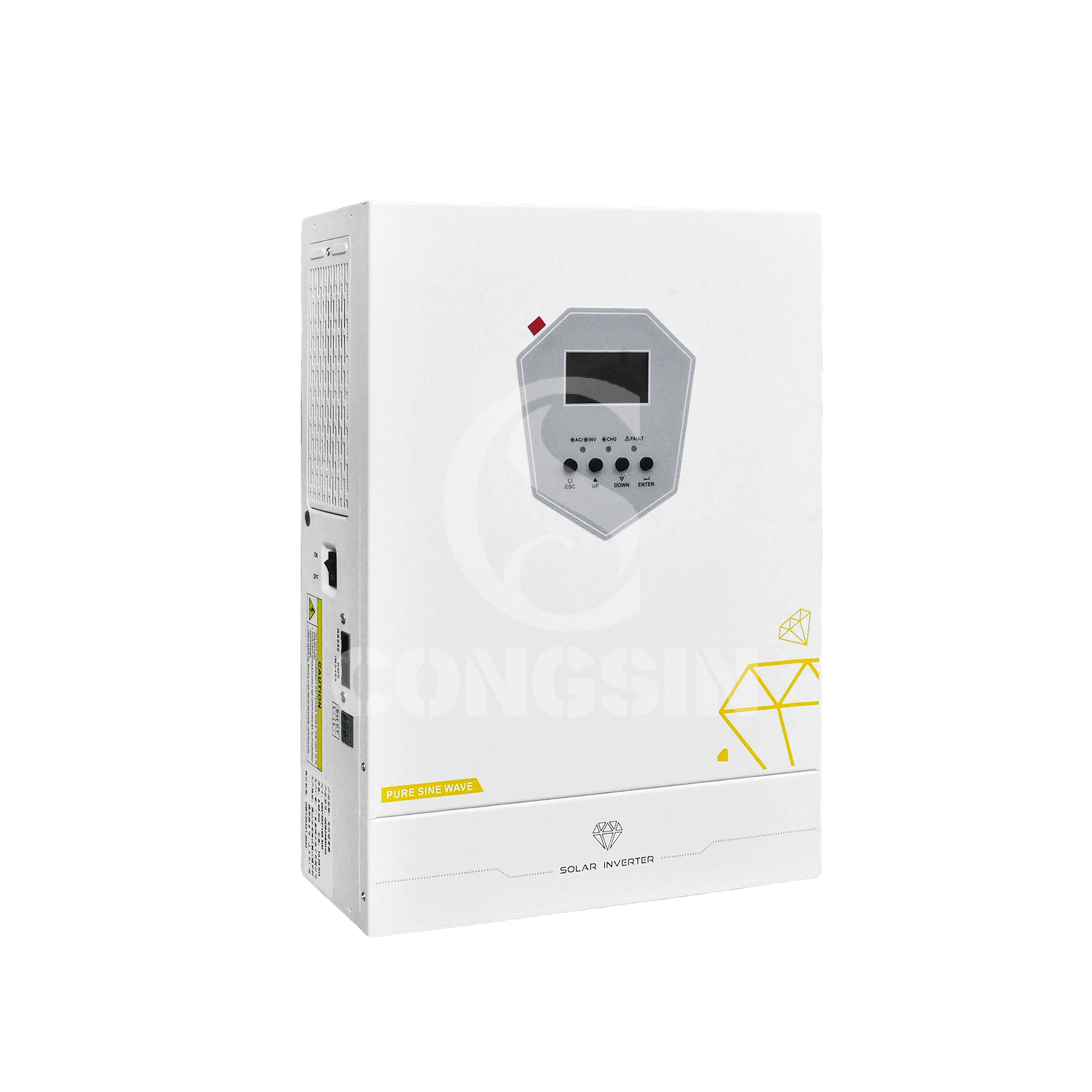
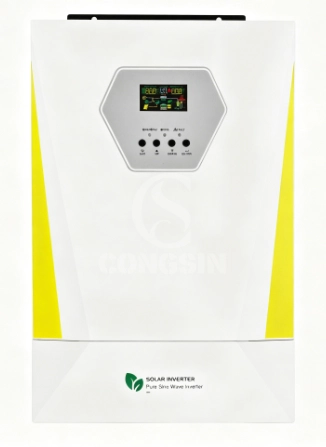
Power your solar system efficiently with the Congsin 4000W and 6000W Hybrid Inverter. Featuring an integrated MPPT Controller, this CE Certified inverter ensures optimal energy conversion. Monitor performance effortlessly via the intuitive LCD Display. Reliable, powerful, and ready for your sustainable energy needs.
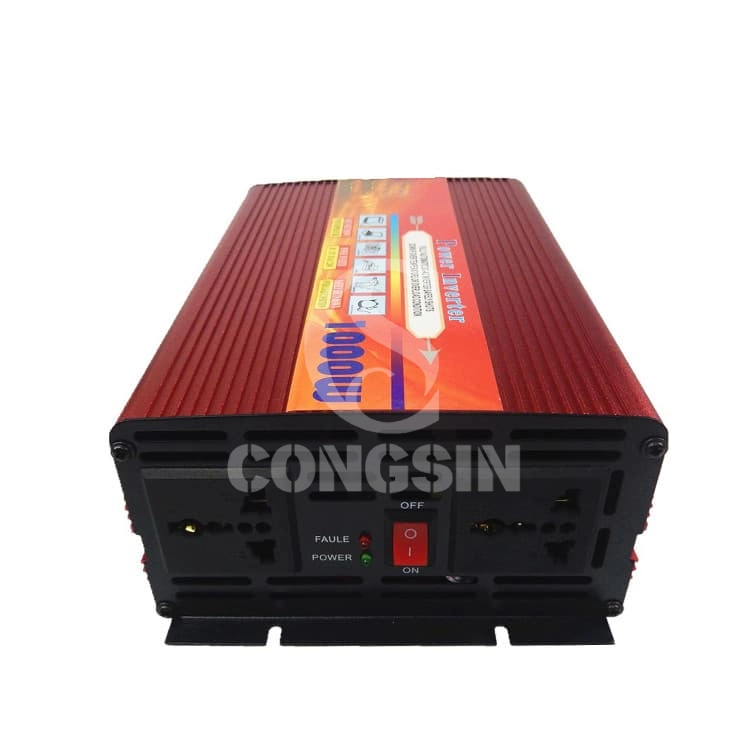
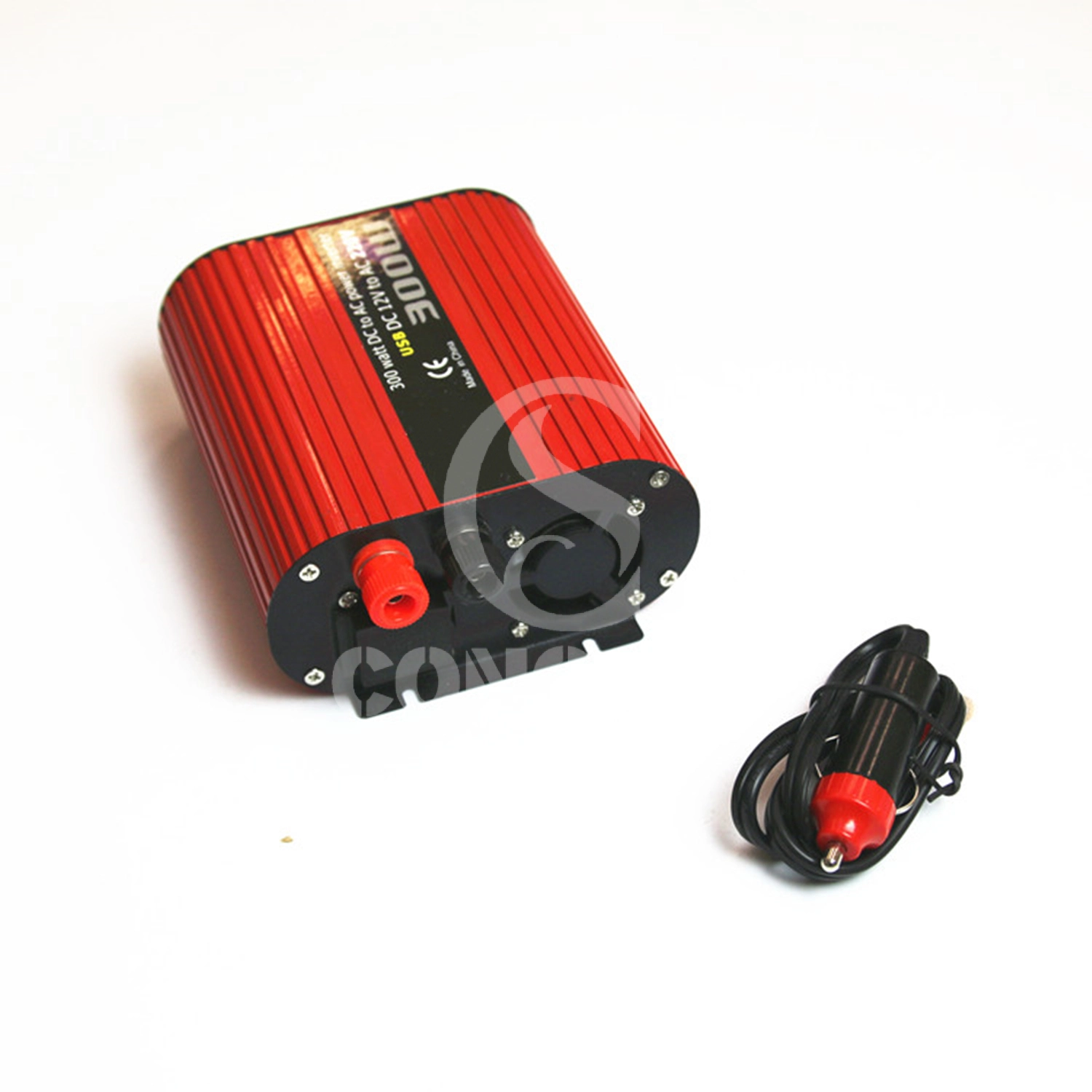
Congsin's Portable 150W Modified Sine Wave Inverter powers your journey! This versatile Car Power Inverter with USB acts as a reliable 12V to 220V converter, ensuring an essential off-grid power supply. With dual USB ports and a universal socket, enjoy convenient power on the go.
Get in Touch with Our Team
You can also communicate with us directly through our online contact form. Please fill in the following information, and our team will contact you as soon as possible after receiving your message.

CONGSIN is a trusted OEM factory for power inverters, solar charge controllers, and DC converters. Reliable solutions for global B2B buyers.
 High Quality
 7/24 Service
 Guaranteed Warranty
© 2025 Congsin. All Rights Reserved.
 WeChat
 Scan QR Code
sin cong
teaimei10
Whatsapp: +8618028086791
Scan QR Code